Health Testing
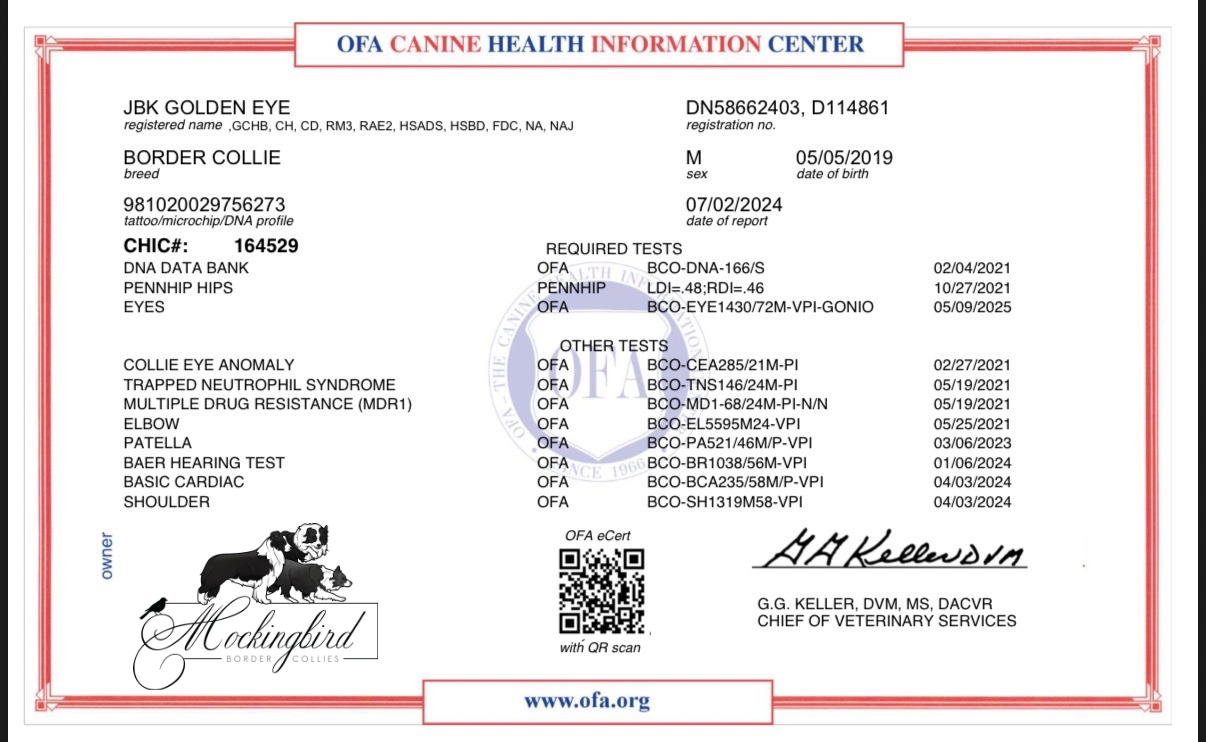
At Mockingbird Border Collies, we believe responsible breeding begins with informed decisions. Health testing is an essential part of our commitment to preserving the breed’s health, soundness, and longevity.
Our breeding dogs undergo comprehensive health evaluations and genetic screening, exceeding the minimum OFA CHIC requirements as part of our commitment to going beyond the baseline in our breeding program
Hip Evaluations
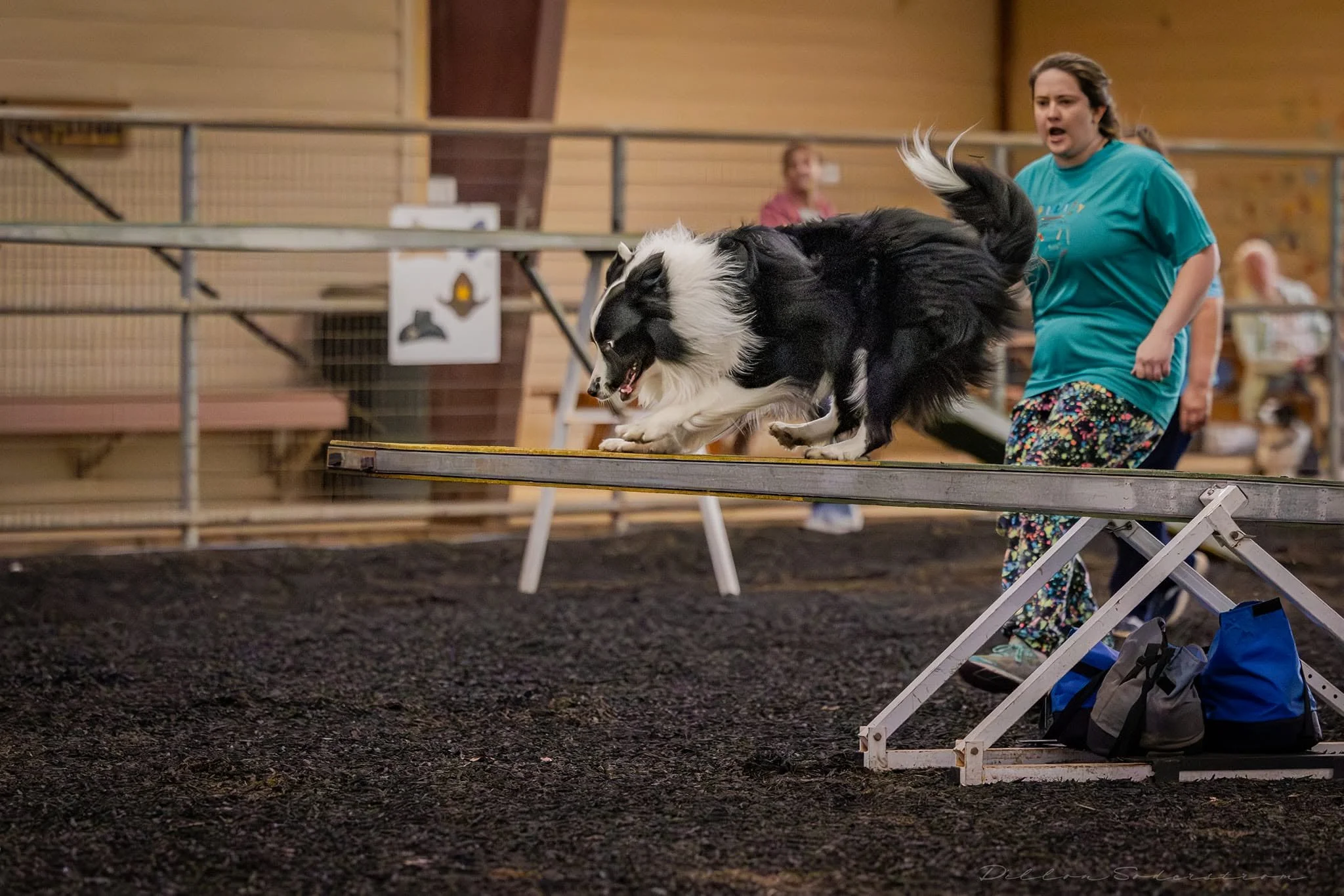
Canine hip dysplasia is a developmental condition in which the hip joint does not form properly, potentially leading to instability and abnormal wear over time. In some cases, cartilage damage caused by trauma can also contribute to joint deterioration. As the protective cartilage gradually loses its thickness and elasticity, dogs may experience pain, reduced mobility, and the development of arthritis.
Elbow Evaluations
Elbow dysplasia is a developmental condition involving abnormal formation of the elbow joint, which can lead to improper joint function, cartilage damage, and arthritis. Affected dogs may experience pain, stiffness, lameness, and reduced mobility. Screening breeding dogs helps identify potential joint abnormalities and supports informed decisions aimed at promoting soundness and long-term joint health.
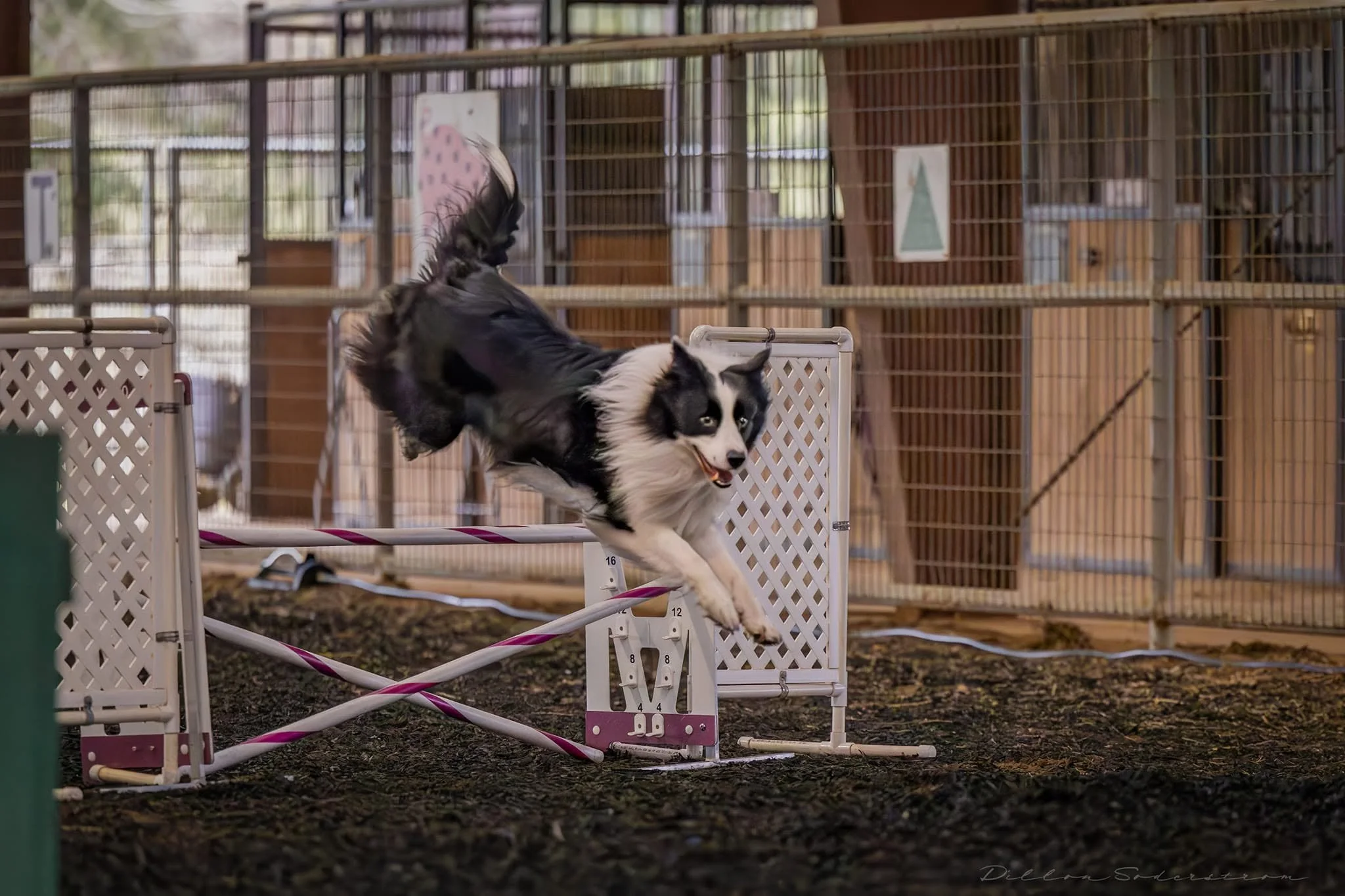
The Brainstem Auditory Evoked Response (BAER) test is a specialized evaluation used to assess hearing in dogs. It measures the brain's electrical response to sound, helping determine whether a dog can hear in one or both ears. Because congenital hearing loss can occur in dogs without obvious external signs, BAER testing provides valuable information for responsible breeding decisions and helps breeders better understand the hearing status of their dogs.
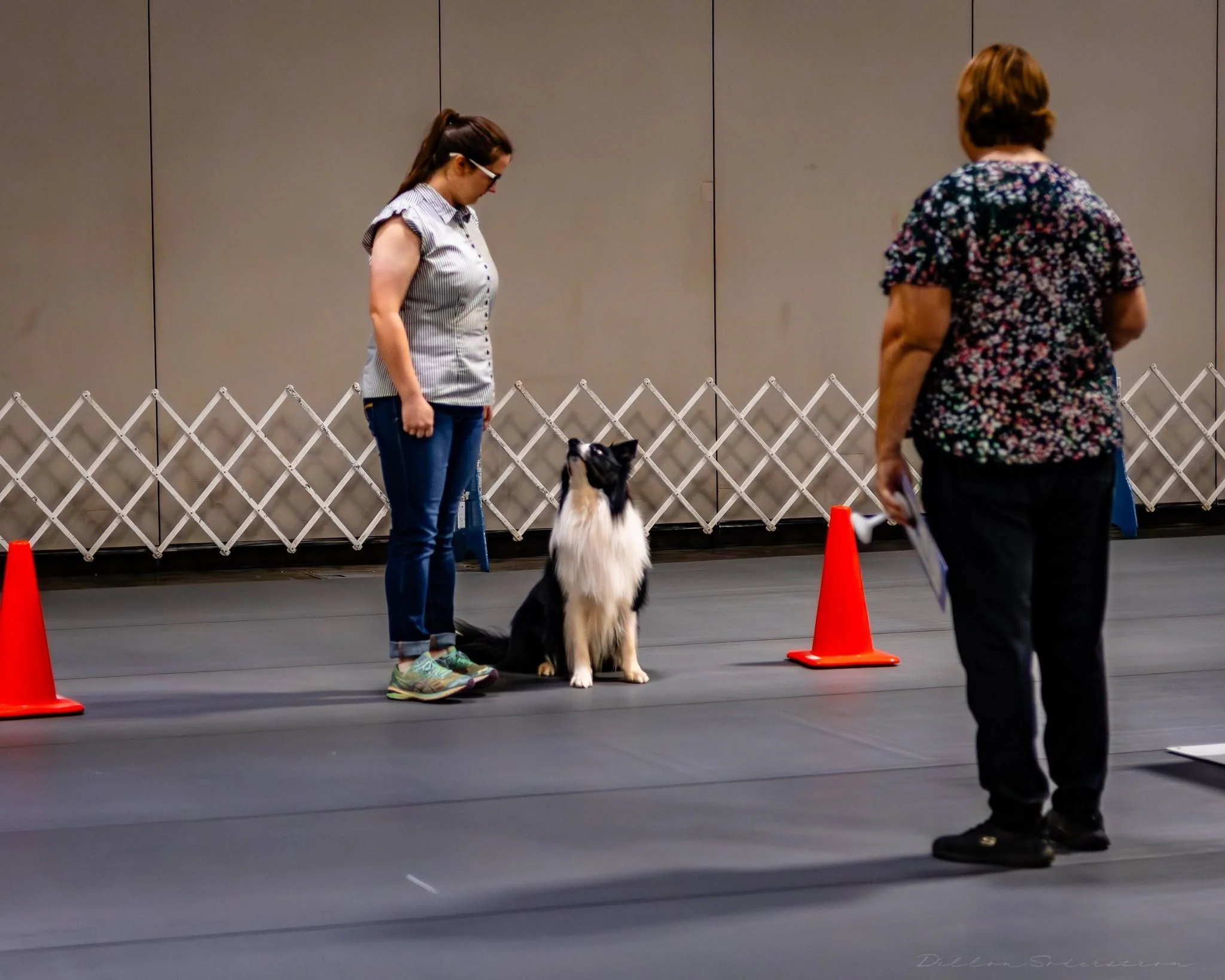
Hearing Test
Cardiac Exams
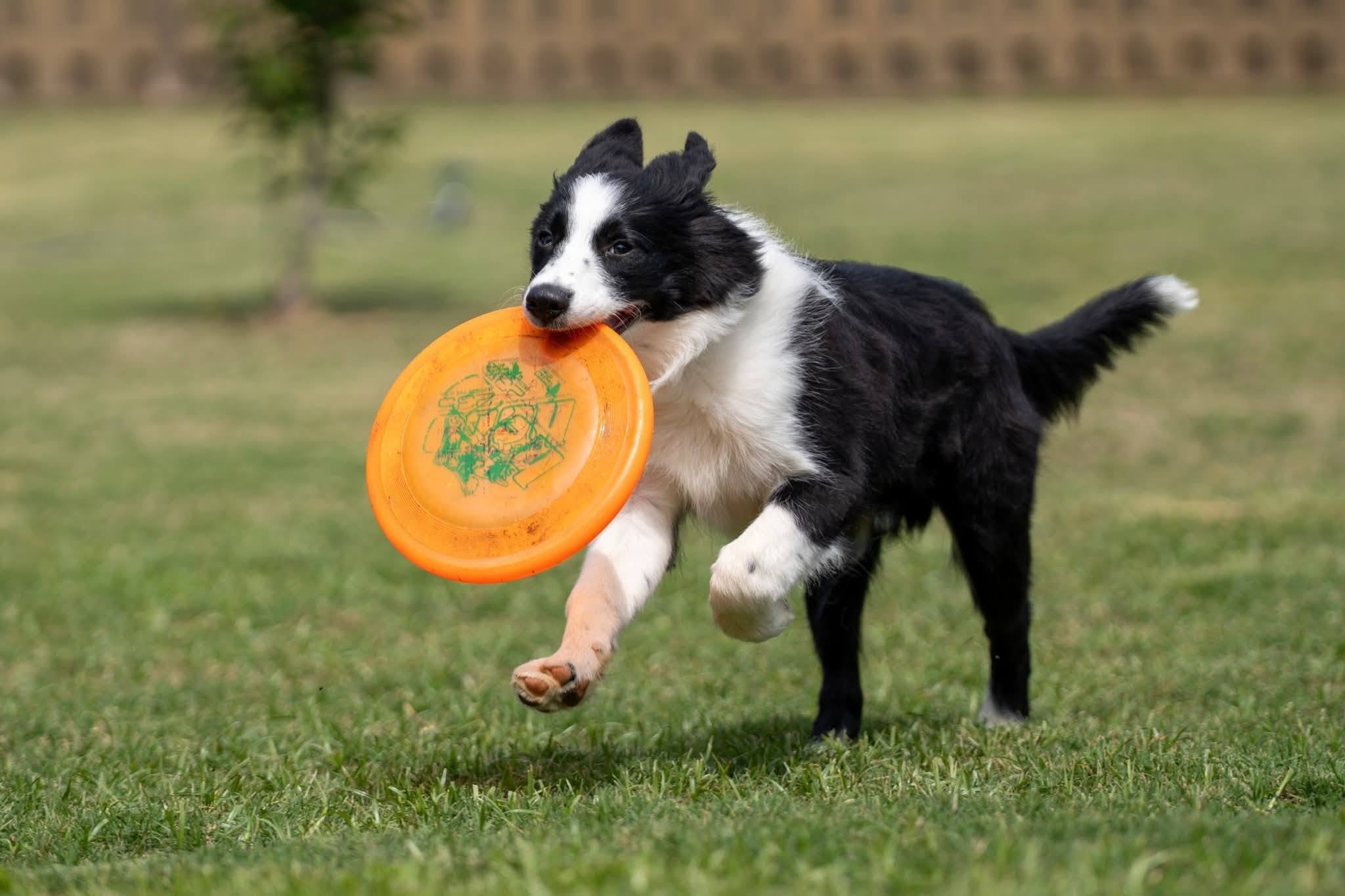
Congenital cardiac disease is a malformation of the heart or great vessels. While cardiac disease is not commonly seen in border collies, we perform a basic cardiac exam at one year of age to screen for murmurs, arrhythmias, and other abnormal conditions.
Patellar luxation occurs when the kneecap (patella) moves out of its normal position within the groove of the femur. This condition can range in severity and may cause intermittent lameness, discomfort, abnormal gait, and, in some cases, arthritis. Patella evaluations assess the stability and movement of the kneecaps to identify abnormalities that could affect a dog's mobility and long-term joint health.
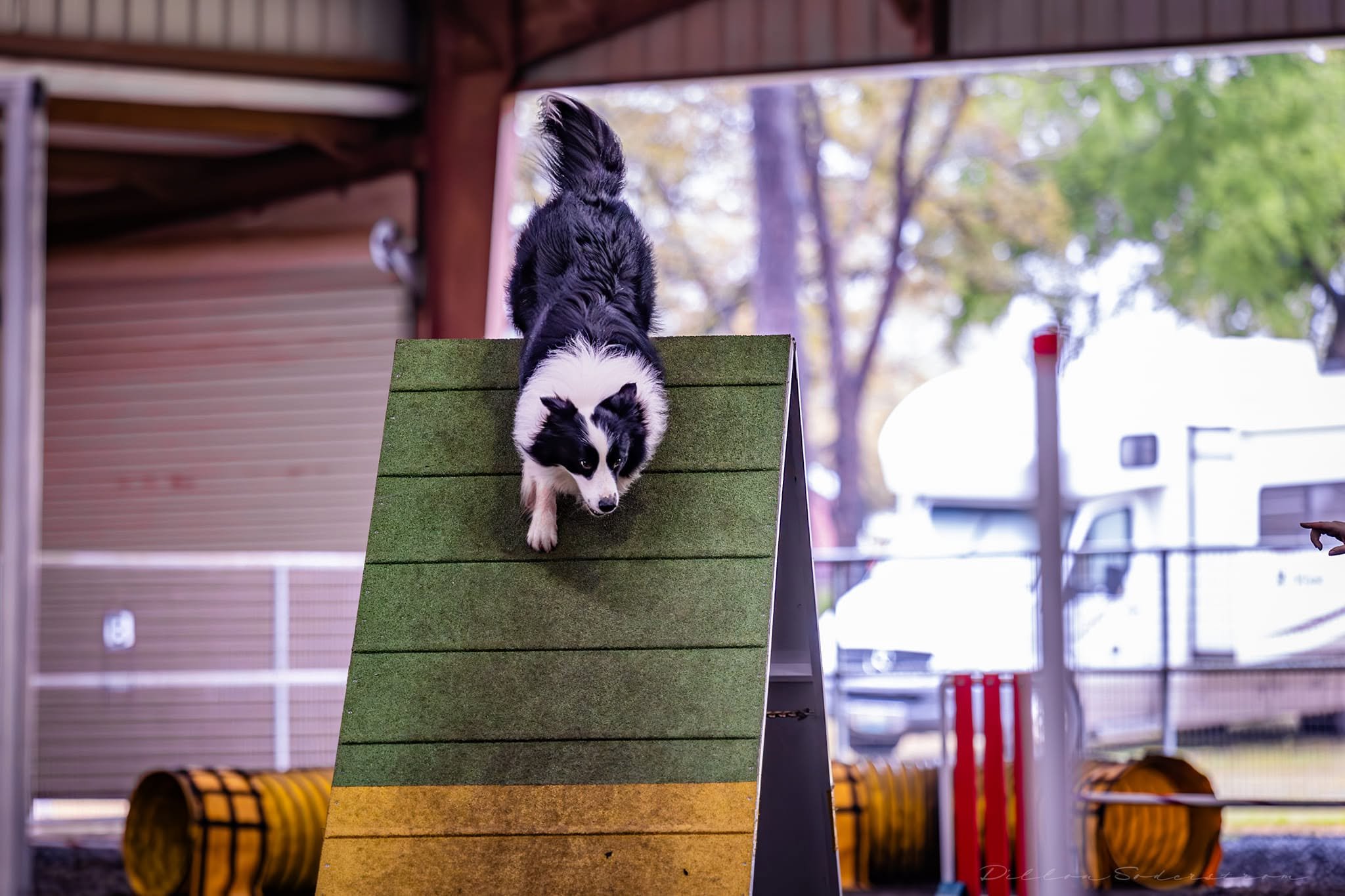
Patella Exams
DNA Based Disease Screenings
All of our breeding dogs are screened using the Optimal Selection Panel, powered by Wisdom Panel. This panel tests for health conditions known in the breed, as well as screens for conditions found in other breeds. It also provides some color gene testing, which helps us predict what puppies may look like.


Shoulder Evaluations
Osteochondritis dissecans (OCD) of the shoulder is a developmental joint condition in which cartilage does not develop normally over the underlying bone. This can cause the cartilage to thicken or separate, resulting in inflammation, pain, and lameness. Evaluating the shoulders of breeding dogs helps identify abnormalities that could affect their comfort, mobility, and long-term soundness.
Eye Exams
Eye examinations conducted through the Companion Animal Eye Registry (CAER) evaluate dogs for inherited and other ocular conditions that may affect vision and eye health. Examinations are performed by board-certified veterinary ophthalmologists, who assess the eyes for abnormalities and potential signs of disease. Regular screening helps breeders make informed decisions to support healthy eyes and reduce the risk of passing certain inherited eye conditions to future generations.